Candy Corn: A Sweet Design Asset for Festive Projects
Imagine a typeface that instantly evokes the crisp autumn air and the playful nostalgia of a Halloween party. That’s the visual and emotional punch of the Candy Corn font, a creative asset designed to inject immediate seasonal charm into any project. More than just a novelty, this color font represents a growing trend in graphic design where typography itself becomes a primary vehicle for theme and mood, offering designers a powerful shortcut to festive communication.
Understanding the Candy Corn Color Font
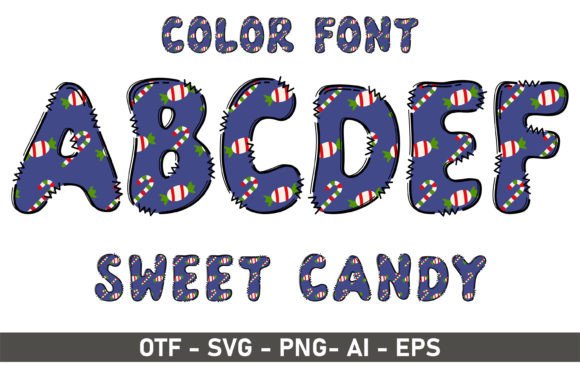
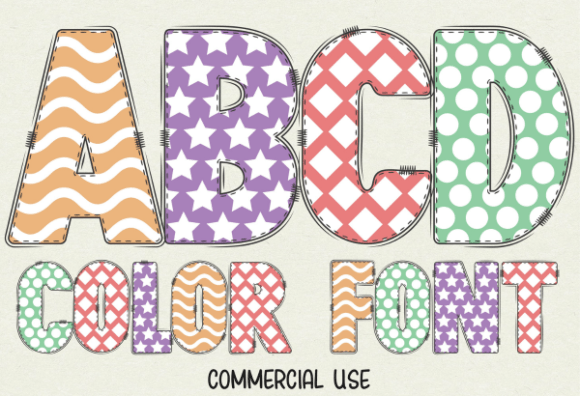
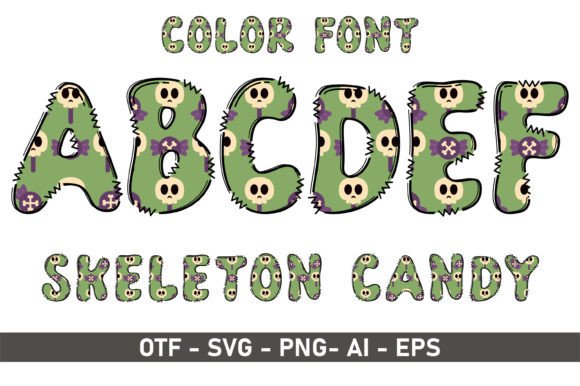
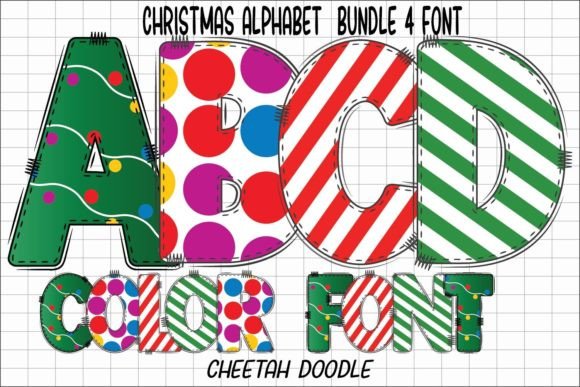
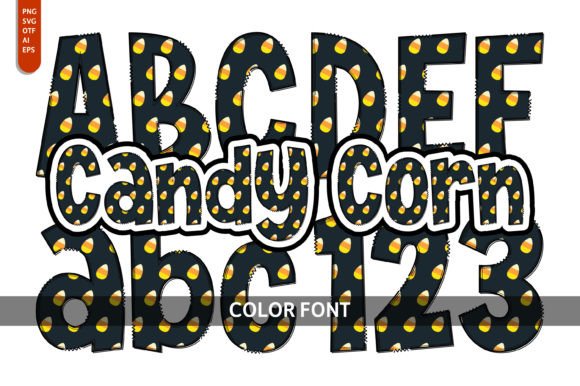
Unlike traditional single-color typefaces, a color font like Candy Corn embeds multiple colors and textures directly into the font file. Each letterform is meticulously crafted with the iconic tri-color pattern of vibrant orange, sunny yellow, and creamy white, replicating the candy's signature look. This approach moves typography from a simple text element to a standalone graphic illustration. For designers, this means the font does double duty, providing both legible text and a strong visual motif, which is essential for efficient and impactful design workflow.
Practical Applications in Modern Design
The true value of a thematic asset like Candy Corn lies in its versatility across various creative projects. Its application can significantly enhance visual hierarchy and audience engagement, particularly in contexts where a specific, seasonal message needs to land quickly and memorably.
- Branding & Logo Design: Ideal for temporary seasonal logos, Halloween event branding, or fall festival identities. It creates an instant thematic connection without requiring complex illustration.
- Marketing Materials: Elevate flyers, posters, and email headers for autumn sales, Halloween promotions, or harvest festivals. The font acts as a focal point, capturing attention amidst a crowded visual landscape.
- Social Media Content: Perfect for creating eye-catching Instagram stories, Facebook event covers, or TikTok text overlays. Its playful aesthetic boosts shareability and aligns with platform trends.
- Packaging & Editorial Design: Use it for product labels on seasonal treats, magazine headlines for October issues, or menu designs for themed restaurants, adding a layer of whimsy and visual delight.
- Digital & Web Design: Incorporate into website banners, UI elements for themed apps, or presentation title slides for a professional yet festive touch that aligns with user expectations for seasonal content.
Tips for Effective Implementation
While Candy Corn is a powerful tool, its effectiveness hinges on thoughtful application within a broader design system. To maintain professionalism and ensure your message is communicated clearly, consider these practical guidelines.
First, audience and context are paramount. This font is perfect for a children's party invitation or a pumpkin patch's social media but may be inappropriate for a corporate financial report. Always align your typography choices with audience expectations and project goals. Second, use it strategically for impact. Its high visual personality works best for headlines, logos, or short call-to-action phrases. For body text, pair it with a simple, highly legible sans-serif or serif font to maintain readability and establish a clear visual hierarchy.
Finally, consider scalability and color consistency. Ensure the font renders crisply at various sizes, from small social media icons to large printed banners. While the embedded colors are fixed, you can test its compatibility with your project's broader color palette to ensure it complements rather than clashes with other design elements like background hues or accompanying graphics.
In the realm of graphic design, the assets you choose directly influence the quality of your visual communication. A thoughtfully selected resource like the Candy Corn font does more than decorate; it conveys a specific emotion, streamlines the creative process, and strengthens the overall cohesion of a themed project. By integrating such purpose-built creative assets with strategic design principles, professionals can craft experiences that are not only visually polished but also deeply resonant and effective in achieving their communication goals.