Checker Board: A Playful Asset for Creative Design
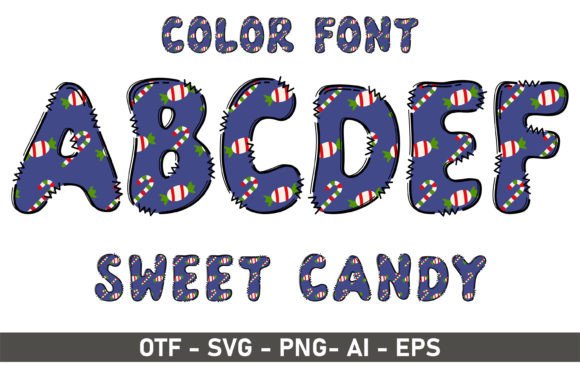
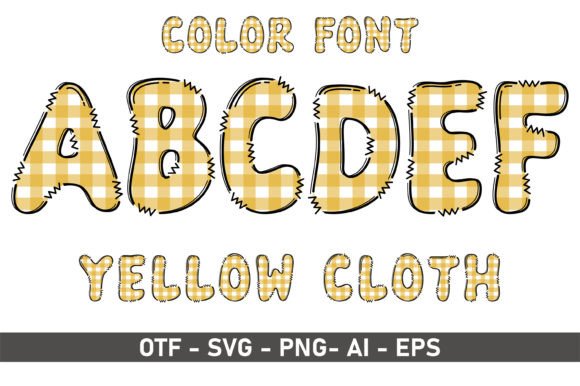
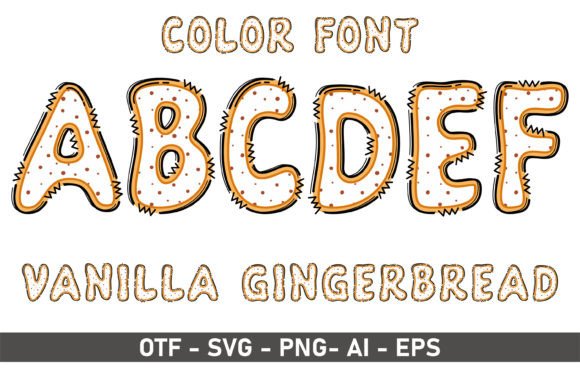
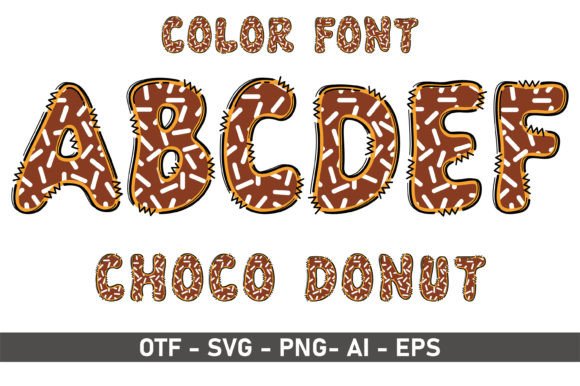
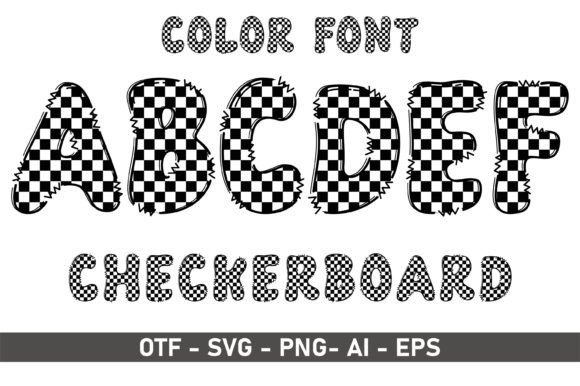
In the dynamic world of graphic design, the right creative assets can transform a project from mundane to memorable. One such asset is the Checker Board font, a typeface that immediately captures attention with its unique, patterned aesthetic. This font is more than just letters; it's a visual statement, perfect for designs that aim to convey a playful, artistic, or handcrafted feel. Its distinctive grid-like structure makes it a standout choice for projects where personality and visual interest are paramount.
Understanding the practical application of such a specialized font is key for designers, marketers, and creators. The Checker Board font shines in contexts that demand a touch of whimsy and creativity, making it an excellent tool for enhancing brand identity and user engagement. Its design naturally guides the eye, contributing to a strong visual hierarchy in layouts where capturing and holding attention is the primary goal.
Practical Applications in Modern Design
This versatile font finds its home across a wide spectrum of creative projects. Its playful nature makes it particularly effective for audiences that appreciate charm and imagination. Consider these practical uses where Checker Board can elevate your work:
- Brand Identity & Logo Design: Ideal for brands targeting children, families, or creative niches. It can form the basis of a memorable logo or be used in marketing collateral to reinforce a fun, approachable brand personality.
- Editorial & Print Design: Perfect for chapter titles in children's books, engaging poster headlines, or eye-catching invitation text. Its readability at a glance ensures it works well in print design where visual impact is crucial.
- Digital Marketing & Social Media: Create scroll-stopping social media graphics, YouTube thumbnails, or email headers. The font's inherent pattern adds texture and depth to flat digital designs, improving engagement.
- Packaging & Merchandise: Stand out on shelves with packaging that feels interactive and artistic. It's also excellent for merchandise like t-shirts, tote bags, and stationery where the font itself becomes a decorative element.
- Presentations & Web Design: Use it sparingly for section headers or call-to-action buttons in UI design to inject personality. In presentations, it can make key slides more dynamic and memorable for your audience.
Tips for Effective Implementation
Leveraging a display font like Checker Board effectively requires strategic thinking. First, always consider your audience and design goals. Its playful style may not suit formal corporate communications but is perfect for educational materials, event branding, or lifestyle products. For optimal visual hierarchy, pair it with a clean, simple sans-serif or serif font for body text to ensure readability and balance.
Pay close attention to technical compatibility, especially when working with cutting machines like Cricut. The black version of the Checker Board font is fully compatible with Cricut Design Space, making it a reliable choice for DIY projects and physical crafts. However, if you wish to use its color version for more complex designs, note that it requires compatible software such as Adobe Photoshop, Illustrator, Silhouette Studio, or Inkscape. The OTF/TTF color files are not supported by Cricut. Always verify file formats against your design workflow to avoid compatibility issues.
Finally, think about scalability and color palette. Test the font at various sizes to ensure the pattern remains clear and impactful. Experiment with its color capabilities to match your project's scheme, but be mindful that its intricate design works best with solid colors rather than complex gradients.
Thoughtful selection of typography and creative assets is fundamental to effective visual communication. By choosing resources like the Checker Board font, designers can inject personality, strengthen brand recall, and create more engaging user experiences. Investing in high-quality, versatile design elements streamlines your workflow and ensures your creative projects not only look professional but also resonate deeply with your intended audience, turning simple designs into compelling stories.