Flying Bat: A Whimsical Color Font for Creative Design
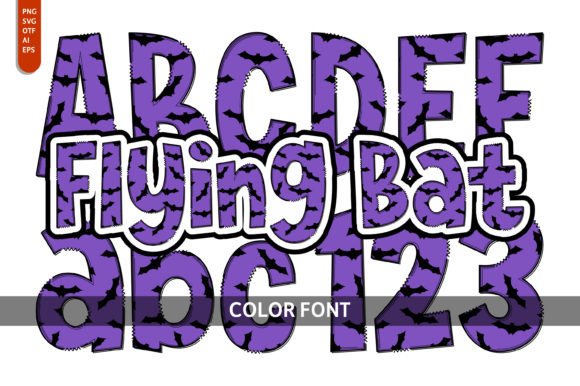
Looking for a design element that instantly injects personality and a sense of playful adventure into your work? The Flying Bat color font is a delightful typographic resource that does exactly that, bringing a unique blend of whimsy and thematic charm to a wide array of creative projects.
Understanding the Visual Impact of a Themed Font
In modern graphic design, typography is far more than just legible text; it's a core component of visual communication and brand identity. A specialized asset like the Flying Bat font serves a distinct purpose. It transcends basic utility to become a focal point of your design, capable of setting a specific mood—be it spooky, fun, or fantastical—within seconds. Its value lies in its ability to convey a complex theme through a single, cohesive visual language.
Key Characteristics and Design Appeal
As a color font, Flying Bat incorporates color data directly into the typeface file. This means the whimsical bat motifs and playful details are embedded, ensuring consistent visual output across applications that support this technology. This characteristic makes it a powerful tool for creating impactful visual hierarchy without needing to layer separate graphic elements over standard text.
Practical Applications Across Creative Projects
The true strength of a thematic font like Flying Bat is its versatility in application. It’s not limited to a single niche but can elevate numerous projects where a touch of character is desired.
- Event Branding & Invitations: Ideal for Halloween party invitations, themed event flyers, or children’s birthday announcements, setting the perfect tone from the first glance.
- Social Media Graphics: Create eye-catching Instagram stories, Facebook posts, or TikTok overlays that stop the scroll with their distinctive style, enhancing digital marketing efforts.
- Editorial & Packaging Design: Use it for chapter titles in a spooky storybook, headline fonts for a seasonal magazine spread, or on product packaging for novelty items and treats.
- Merchandise & Digital Products: Apply it to t-shirt designs, stickers, posters, or digital download templates to create unique, sellable goods with strong visual appeal.
Tips for Effective Integration in Your Design Workflow
To leverage a creative asset like Flying Bat effectively, thoughtful application is key. It should complement, not overwhelm, your overall design goals. Consider the following when incorporating it into your projects:
- Audience and Context: Ensure the font's playful, whimsical tone aligns with your target audience's expectations and the project's core message. It excels in contexts meant to delight or intrigue.
- Visual Hierarchy and Readability: Use it primarily for headlines, logos, or short, impactful phrases. Pair it with a clean, neutral sans-serif or serif font for body text to maintain readability and create a balanced composition.
- Consistency with Brand Systems: If integrating into a broader brand identity, ensure the font's color palette and style harmonize with your existing color scheme and other design elements. It should feel like a natural extension of your visual system.
- Scalability and Technical Check: Always test the font at various sizes to ensure the intricate details remain clear and effective. Verify compatibility with your design software to avoid workflow disruptions.
Ultimately, the choice of typographic resources is a fundamental design decision that directly influences the quality of your visual communication. A well-selected, thematic asset like Flying Bat does more than decorate; it enriches the narrative, strengthens emotional connection, and demonstrates a meticulous approach to your craft. By investing in and thoughtfully applying high-quality creative assets, designers and creators can significantly enhance both the aesthetic appeal and the communicative power of their work, ensuring every project not only looks professional but also resonates deeply with its intended audience.